- +1 (587) 325-0234
- info@icrcet.org
- Bangalore, India

Smart Resource Management for
a Sustainable Future
Outcome of The Session : “Sustainable Resources & Energy Systems”
Objective of Session – “Sustainable Resources & Energy Systems”
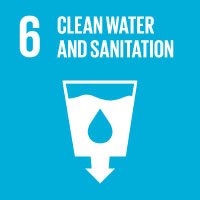
The session “Smart Resource Management for a Sustainable Future” aims to explore how engineering and technology can optimize the use of critical resources—water, energy and materials—for long-term sustainability. It emphasizes the integration of clean water solutions, renewable energy systems and responsible consumption practices into engineering education, research and industry. By aligning with SDGs 6, 7 and 12, the session highlights the role of engineers in designing resilient systems that ensure equitable access, reduce waste and accelerate the transition toward a circular economy.
Focus Areas but not limited to
Water Security & Sanitation: Innovative water purification, wastewater treatment and sanitation technologies.
Clean Energy Transition: Affordable renewable energy solutions (solar, wind, bioenergy) and smart grid systems.
Circular Economy Practices: Sustainable manufacturing, recycling and resource-efficient production systems.
Green Skills Development: Embedding sustainability literacy and eco-innovation in engineering curricula.
Community Partnerships: Collaborative projects for water conservation, energy efficiency and waste reduction.
Smart Technologies: AI, IoT and data-driven solutions for resource monitoring and optimization.